
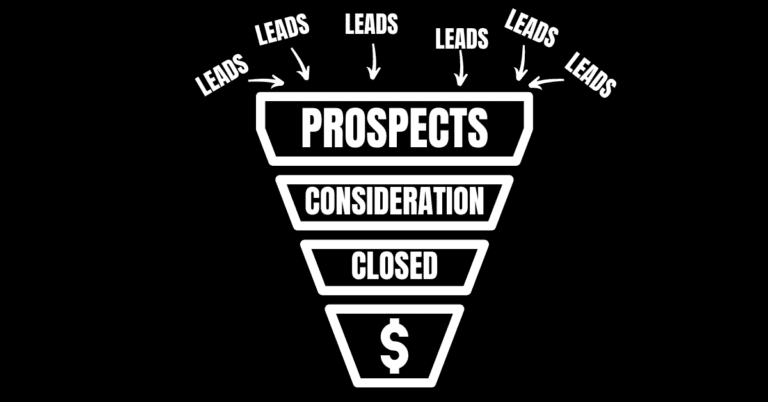
In today’s competitive business landscape, lead generation has become a crucial aspect of any successful sales strategy. Generating high-quality sales leads is the foundation for driving revenue and achieving business growth. In this comprehensive guide, we will take you step-by-step through the process of generating sales leads and provide valuable insights on how to achieve success.
Understanding the Importance of Lead Generation
Before diving into the specifics of lead generation, it is essential to understand what exactly lead generation entails and why it is a crucial component of any sales process.
Lead generation refers to the process of attracting and converting prospects into potential customers who have expressed interest in your products or services. It involves nurturing these potential customers until they are ready to make a purchase decision.
But why is lead generation so crucial for sales?
Lead generation plays a pivotal role in driving sales for several reasons. Firstly, it enables businesses to identify potential customers who are genuinely interested in their products or services. By focusing efforts on these qualified leads, companies can maximize their sales opportunities.
Imagine a scenario where a company spends valuable time and resources trying to sell their product to someone who has no interest in it. Not only is this a waste of resources, but it also leads to frustration and disappointment for the sales team. However, with effective lead generation strategies, businesses can target individuals who have already shown interest, increasing the chances of converting them into paying customers.
Secondly, lead generation helps businesses build relationships with prospects. By engaging with potential customers throughout their buying journey, companies can establish trust and credibility, increasing the likelihood of conversion.
When someone expresses interest in a product or service, it is often just the beginning of their decision-making process. They may have questions, concerns, or hesitations that need to be addressed before they feel confident enough to make a purchase. Through lead generation efforts, businesses can provide valuable information and support to these prospects, guiding them towards a purchase decision.
By offering personalized content, addressing their pain points, and providing solutions, businesses can nurture these leads and build strong relationships. This not only increases the chances of conversion but also encourages customer loyalty and repeat business.
Lastly, lead generation drives revenue growth. By consistently generating high-quality leads, businesses can expand their customer base and increase sales, ultimately achieving their revenue goals.
A steady stream of qualified leads allows businesses to continuously fill their sales pipeline, ensuring a consistent flow of potential customers. This creates stability and predictability in revenue generation, allowing companies to plan and allocate resources more effectively.
Moreover, lead generation opens up opportunities for upselling and cross-selling. Once a customer has made an initial purchase, businesses can use lead generation strategies to identify additional needs or complementary products that the customer may be interested in. By leveraging existing customer relationships, businesses can increase their average order value and maximize revenue.
In conclusion, lead generation is a critical aspect of any sales process. It enables businesses to identify and engage with potential customers who have expressed interest in their products or services. By nurturing these leads, businesses can build relationships, establish trust, and ultimately drive revenue growth. Implementing effective lead generation strategies is essential for businesses looking to thrive in today’s competitive market.
Identifying Your Target Audience
Understanding your target audience is a critical step in generating successful sales leads. By identifying key demographics and understanding your audience’s needs, you can tailor your lead generation strategies to effectively reach and engage potential customers.
When it comes to identifying your target audience, demographics play a crucial role. Demographics such as age, gender, location, and income level provide valuable insights into who your potential customers are and how to effectively market to them. For instance, if your product or service is primarily targeted towards young professionals, you can tailor your messaging and marketing channels accordingly to maximize your reach and engagement with this specific demographic.
However, demographics alone are not enough to fully understand your target audience. To truly connect with your potential customers, you need to delve deeper into their needs and pain points. By gaining insights into what challenges your potential customers face, you can frame your marketing messages and value proposition in a way that resonates with them.
The Role of Demographics in Lead Generation
Demographics provide a solid foundation for understanding your target audience. They offer a snapshot of who your potential customers are and help you segment your market effectively. By analyzing demographic data, you can gain valuable insights into the characteristics and preferences of your audience.
For example, let’s say you are a company that specializes in fitness equipment. By analyzing the demographic data, you discover that your target audience consists mostly of individuals aged 25-40, living in urban areas, and with a moderate to high income level. Armed with this information, you can develop marketing strategies that specifically target this demographic, such as creating engaging social media content tailored to urban dwellers or partnering with fitness influencers popular among this age group.
Demographics also play a crucial role in determining the most effective marketing channels to reach your target audience. For instance, if your target audience is predominantly young and tech-savvy, investing in digital marketing channels like social media advertising and influencer partnerships may yield better results compared to traditional advertising methods.
Understanding Your Audience’s Needs
While demographics provide a foundation, understanding your audience’s needs is what truly allows you to connect with them on a deeper level. By identifying their pain points and challenges, you can position your product or service as the solution they’ve been searching for.
Conducting market research is a valuable strategy for gaining a deeper understanding of your audience’s needs. This can involve surveys, focus groups, and analyzing customer feedback. By actively listening to your potential customers, you can uncover valuable insights that inform your marketing approach.
For example, let’s say you are a software company targeting small businesses. Through market research, you discover that one of the major pain points for small business owners is managing their finances effectively. Armed with this knowledge, you can tailor your marketing messages to highlight how your software simplifies financial management, saving time and improving efficiency for small business owners.
Addressing your audience’s needs effectively is crucial for generating interest and capturing the attention of potential customers. By demonstrating that you understand their challenges and offering a solution that meets their needs, you establish credibility and trust, making it more likely for them to engage with your brand.
In conclusion, identifying your target audience goes beyond demographics. While demographics provide valuable insights into who your potential customers are, understanding their needs and pain points is what allows you to truly connect with them. By tailoring your marketing strategies to both demographics and audience needs, you can effectively reach and engage potential customers, ultimately generating successful sales leads.
Crafting a Strong Value Proposition
A value proposition is a compelling statement that effectively communicates the unique benefits and value that your product or service offers to potential customers. A strong value proposition is crucial for capturing the attention of prospects and differentiating your business from competitors.
What is a Value Proposition?
A value proposition describes the unique selling points and benefits that your product or service brings to potential customers. It outlines why your offering is superior and how it solves the specific pain points of your target audience. A compelling value proposition can create a sense of urgency and desire for your product or service.
How to Create an Effective Value Proposition
Creating an effective value proposition involves understanding your target audience’s needs and aligning your offering to address those needs. To craft a powerful value proposition, consider the following elements:
-
- Identify your unique selling points: What makes your product stand out? What benefits do you offer that competitors don’t?
-
- Address specific pain points: How does your product or service solve the challenges and pain points your audience faces?
-
- Create a clear and concise statement: Your value proposition should be easily understandable and communicate the key benefits in a succinct manner.
-
- Evoke emotions: Craft your value proposition in a way that triggers an emotional response, making potential customers feel compelled to engage with your offering.
Utilizing Digital Marketing Strategies for Lead Generation
In today’s digital age, leveraging online channels has become paramount for lead generation. Digital marketing strategies offer businesses a wide range of tools and techniques to attract and engage potential customers.
SEO for Lead Generation
Search engine optimization (SEO) is the practice of optimizing your website and content to rank higher in search engine results. By implementing effective SEO strategies, you can increase your website’s visibility, attract organic traffic, and generate potential leads.
Key SEO techniques include keyword research, on-page optimization, creating high-quality content, and building backlinks from authoritative websites.
Social Media Marketing for Lead Generation
Social media platforms provide businesses with an opportunity to connect with their target audience directly. By creating engaging content, running targeted ads, and fostering meaningful interactions, businesses can generate leads through social media marketing.
Platforms like Facebook, Instagram, LinkedIn, and Twitter offer diverse targeting options that allow businesses to reach their ideal customers and nurture relationships through organic and paid content.
Email Marketing for Lead Generation
Email marketing remains a highly effective strategy for lead generation. By building a targeted email list and delivering personalized, valuable content to your subscribers, you can nurture leads and drive conversions.
Key tactics for successful email marketing include crafting compelling subject lines, segmenting your audience, providing valuable content, and utilizing automation to streamline your campaigns.
Offline Strategies for Generating Sales Leads
While digital marketing strategies are essential in today’s digital age, offline strategies can still play a significant role in generating sales leads. By leveraging offline channels, businesses can reach potential customers in unique ways.
Networking for Lead Generation
Attending industry events, conferences, and networking sessions provides businesses with an opportunity to connect with potential customers and industry professionals. By actively engaging in conversations and building relationships, businesses can generate valuable leads through networking.
Remember to exchange contact information, follow up after the event, and maintain relationships even after the initial interaction to nurture leads effectively.
Trade Shows and Events for Lead Generation
Participating in trade shows and events relevant to your industry can be highly beneficial for lead generation. By showcasing your products or services, engaging with attendees, and collecting contact information, you can generate leads and create brand awareness.
Ensure your booth design is eye-catching, create informative materials, and offer incentives to encourage attendees to provide their contact details.
By following this step-by-step guide, you can develop a comprehensive lead generation strategy that drives sales and helps your business achieve its growth objectives. Remember to continually analyze and optimize your efforts to maximize results and stay ahead in a competitive marketplace.